
Artificial Turf Fields
Artificial turf fields provide stable performance and operational flexibility under intensive usage.
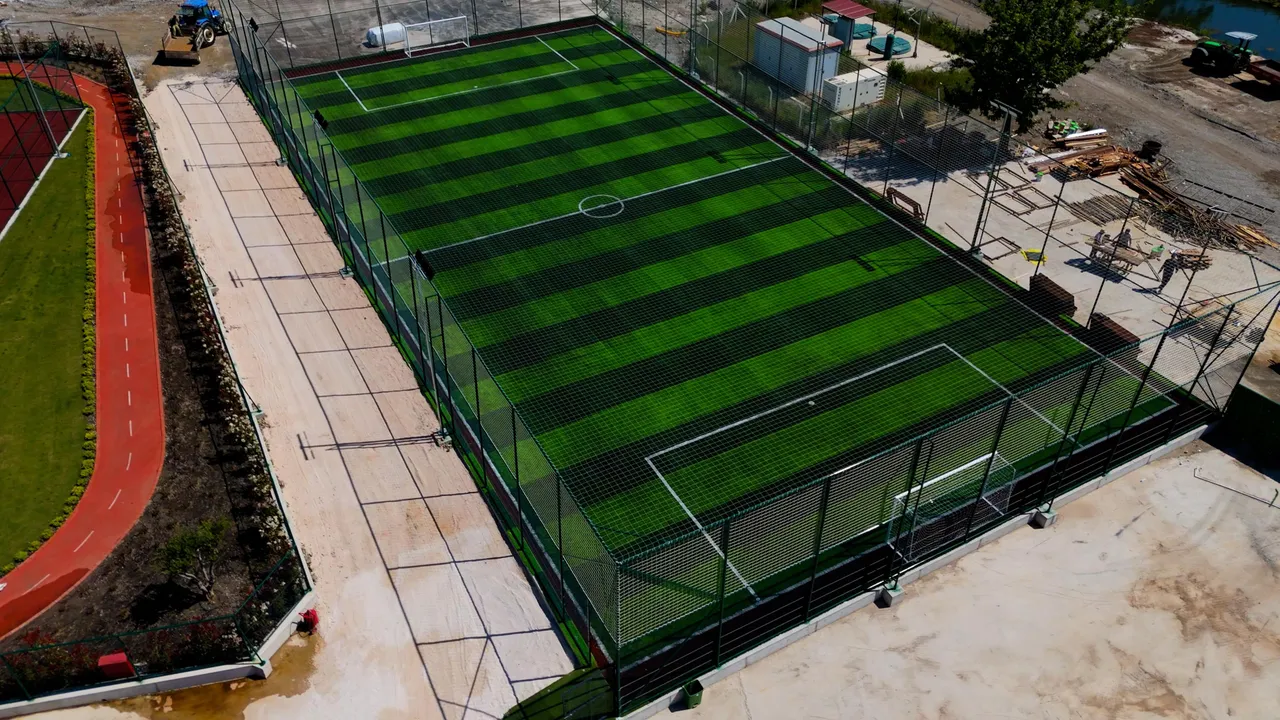
Project gallery
Football Fields
Turf and infill work as a system
Assess fibre construction, base, infill and any shock pad together. Select products by intended use, technical documentation and maintenance needs, not by pile height or colour alone.
Base and installation quality
Check flatness, drainage and base stability before installation. Roll direction, seams, lines and infill distribution are important installation steps. Correct existing base issues before laying new turf.
Regular surface care
Include debris removal, suitable brushing and infill checks in the maintenance schedule. Monitor wear in high-use areas and opening seams. Use machines and brushes compatible with the surface system.
Let’s review your project
Share the location, court dimensions, current surface photos and intended use. We can review the installation and maintenance scope together.
Share your projectFrequently Asked Questions
Does artificial turf need no maintenance?
It still needs care. Plan cleaning, suitable brushing, infill checks and seam inspections according to usage and site conditions.
Does pile height alone indicate quality?
No. Fibre construction, backing, infill, base and technical performance should be assessed together.
How should infill be selected?
Follow the system specification, intended use and product documentation. Do not assume different infill types can be substituted directly.
How can standing water be addressed?
Inspect drainage, surface contamination, compacted infill and base levels. Choose maintenance or base work according to the cause; replacing turf alone may not solve it.
How should old turf be handled during renewal?
Plan removal, infill separation, transport and appropriate recovery or disposal. Check that the existing base is suitable for the new system.